


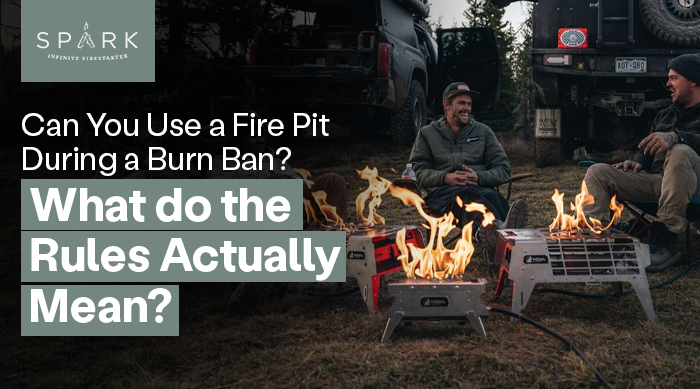
A burn ban pops up on the news, and suddenly, your backyard plans feel uncertain. Can you still light your fire pit, or should the marshmallows stay in the pantry? The answer depends on the type of ban, where you live, and the fuel you use.
What Is a Burn Ban and Why Are They Issued?
A burn ban is a temporary rule that limits burning indoors and outdoors. Local fire districts, environmental agencies, and Tribal authorities issue it when conditions turn risky. It is legally enforceable, so lighting a fire during a ban can break the law.
These bans protect two things: people and land. Fire safety bans reduce the chance of human-caused wildfires during dangerous conditions. Air quality bans protect health by limiting wood smoke, which releases particles that make the air harder to breathe.
Burn bans appear when fire danger rises. Long dry spells, extreme heat, low humidity, and strong winds make fires spread quickly. Growing wildfire activity can also lead to a ban.
Do Burn Bans Apply to My Backyard Fire Pit?
It depends. The rules change based on the type of burn ban, your local fire authority, and the fuel your fire pit uses. Always check local restrictions before lighting any flame.
Wood-Burning Fire Pits
Wood fire pits are usually the first to get restricted. Even with a spark screen, small embers can escape and start a fire. During stricter bans, officials treat them as open burning, which is typically prohibited.
Some places allow small recreational fires (3 feet wide and 2 feet high) during lower-level bans. These fires must stay contained and may require approved firewood or a permit. Because rules vary by location, checking local guidance is important.
Propane or Natural Gas Fire Pits
Gas fire pits fall into a gray zone. Many areas allow them during certain bans because they do not throw sparks or embers. Manufactured gas appliances like patio heaters or grills often stay permitted.
However, strict restrictions change the rules. During events like a Total Fire Ban, lighting any open flame may be illegal, regardless of fuel type.
Charcoal Grills and Smokers
Charcoal devices often face tighter limits. They burn solid fuel and leave hot coals behind. Because of that risk, many burn bans restrict or prohibit charcoal grilling until conditions improve.
What Do the Different Levels of Burn Bans Mean?
Burn bans fall into different stages, and each level changes what you can safely burn.
Stage 1 Burn Ban
A Stage 1 ban is the first warning sign. Officials restrict activities that easily start fires, like burning yard debris or clearing land.
Some places still allow small recreational fires or gas grills. These usually include campfires or backyard fire pits using approved firewood for cooking, warmth, or outdoor gatherings. Local rules vary, so always check with your fire district before lighting one.
Stage 2 Burn Ban
A Stage 2 ban signals critically high fire danger. All outdoor fires are banned, including backyard fire pits, campfires, chimineas, and other recreational flames.
Gas-powered appliances like propane fire pits, gas grills, or patio heaters may still be allowed, but you must follow manufacturer safety instructions and handle hot coals carefully before disposal.
Air Quality Bans
Some burn bans focus on the air instead of wildfire danger. Officials issue them when fine particle pollution (PM2.5) from wood smoke rises or is expected to reach unhealthy levels.
During these bans, wood-burning fireplaces, stoves, and outdoor wood fires are restricted or completely prohibited. This includes recreational fires that burn wood or charcoal. In many areas, natural gas or propane appliances may still operate because they produce far fewer smoke particles.
Air quality bans usually appear in fall or winter, when people burn more wood for heat and winds are weaker. They often last a few days but may extend longer if pollution remains high.
What Happens If I Violate a Burn Ban?
Breaking a burn ban can lead to serious consequences, including fines, legal liability, and criminal charges. The exact penalties vary by state and local laws.
Financial Penalties
Burn bans carry financial consequences. If you ignore the rules and start a prohibited fire, local authorities can issue fines immediately. For example, in Delta County, Colorado, fines increase with repeat violations:
- First offense: $50
- Second offense: $250
- Third offense: $500
- Subsequent offenses: up to $1,000
Each violation counts as a separate offense, so repeated fires result in multiple fines. Law enforcement may also issue a summons requiring you to pay the fine or appear in court.
Legal Liability
If a fire escapes and damages nearby land or property, the law can hold you responsible. You may have to pay for property damage or private claims if investigators find that you did not take reasonable precautions.
Authorities may also recover the cost of fire suppression if crews must step in to control the fire.
Criminal Charges
Violating burn rules can lead to criminal charges. Intentionally setting fires that damage buildings or land may count as arson, which can bring felony charges, prison time, and large fines.
Even smaller fires can lead to charges if they spread. Setting fire to woods, grass, or brush that damages another person’s property may result in misdemeanor or felony penalties.
How Can I Check If a Burn Ban Is Active in My Area?
Check .gov websites or your local fire department’s alerts for the official burn status. These sources provide the legal rules for your area. Conditions can change within hours, so check the status right before lighting a fire.
Use reliable tools for quick updates. The National Interagency Fire Center and state “Before You Burn” portals provide real-time, location-based burn information.
What Are the Alternatives If I Can't Use My Fire Pit?
A burn ban does not mean you must cancel your outdoor night. You can still create a cozy setup without lighting a flame.
For Ambiance:
- LED flame-effect lamps or lanterns.
- Battery-powered torches for a fire-like glow.
- String lights to keep the space warm and inviting.
For Warmth:
- Electric patio heaters for steady heat.
- Propane patio heaters, if local rules allow gas appliances.
- Thick blankets and warm drinks like cocoa or cider.
Burn Smart, Stay Safe
Burn bans protect communities when fire danger or smoke pollution rises. The rules change based on the ban level, location, and fuel type. Being aware helps you avoid fines, damage, or dangerous fires.
Always check your local fire authority or official alerts before lighting a flame. Conditions can change quickly, even within a few hours. Responsible fire use protects your home, your neighbors, and the land around you.
FAQs
Are backyard fire pits always banned during a burn ban?
Not always, but many burn bans prohibit wood-burning fire pits, especially during stricter Stage 2 or total fire bans.
Can I use a propane fire pit during a burn ban?
Sometimes yes, because propane appliances do not throw sparks, but local rules may still restrict them.
What is the difference between a burn ban and a red flag warning?
A burn ban is a legal restriction on fires, while a red flag warning is a weather alert that signals dangerous fire conditions.
Do covered or screened fire pits count as open burning?
Mostly yes, because the fire still burns wood or charcoal and can produce sparks or embers.
Can I use a charcoal grill during a burn ban?
Some areas allow charcoal grills during certain bans, but stricter bans may prohibit them.
Where can I check current burn restrictions in my area?
Check your local fire department, state forestry websites, or the National Interagency Fire Center or Before You Burn portals.