
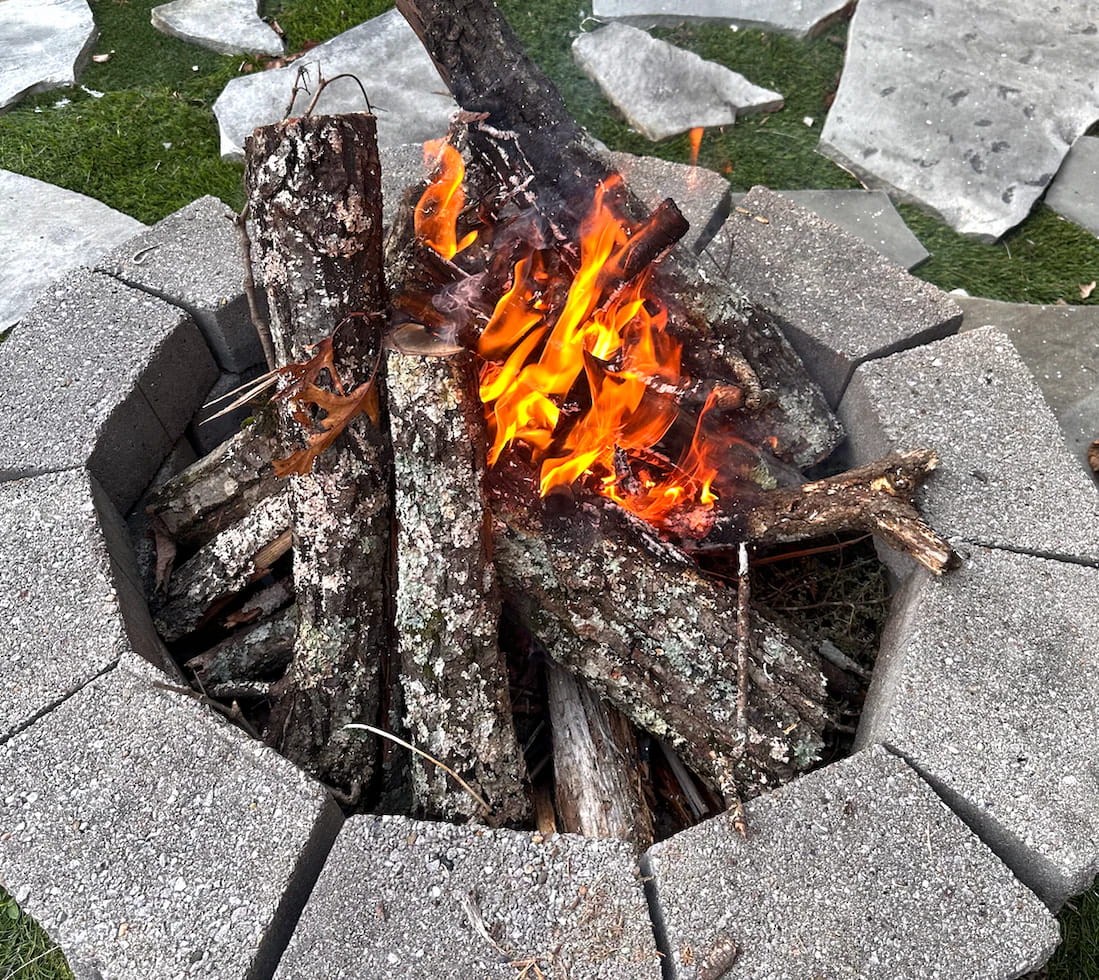
Summary
- A smoky fire isn't bad luck; it's a sign of a few easy-to-fix mistakes.
- Wet wood causes smoke, which wastes heat and pollutes the air.
- Stacking wood correctly and cleaning your fire pit are key.
- A great fire starter eliminates the frustration by providing reliable, long-lasting ignition in any condition.
There's something primal about starting a campfire, whether you're gathered around it with friends or just enjoying the crackling warmth alone in the woods. But if you've ever tried to start a fire from scratch, you know it's not as simple as rubbing sticks together or striking a match. It can be frustrating, messy, and downright difficult.
That's where a great fire starter comes in. A reliable fire starter can make all the difference between a successful fire and a failed attempt. In this guide, you'll learn exactly how to build a campfire step by step, what's going wrong when it smokes instead of burning, and how to fix it every single time. Because every campfire lover (and secret pyro at heart) deserves a flame that burns bright and clean.

How to Build a Campfire, Step by Step
Building a campfire that lights fast and stays lit comes down to three steps: gather dry tinder, kindling, and fuelwood; stack them in a teepee or log cabin shape; then light the tinder at its base and feed the flame gradually. Get these three right, and the frustration most people associate with fire-building disappears.
What You'll Need
- Tinder: a fist-sized bundle of dry pine needles, birch bark, dryer lint, or cotton balls with petroleum jelly
- Kindling: 6 to 8 pieces, pencil to thumb-thickness, broken into roughly 6 to 12-inch lengths
-
Fuelwood: 3 to 4 split logs of dry, seasoned hardwood such as oak, maple, or birch. Green or unseasoned wood still holds moisture inside and is a leading cause of smoky fires, even when the outside looks dry
- Prepare your tinder. Tinder needs to be bone dry and loosely packed so air can reach it, since damp or tightly balled tinder is the single biggest reason a fire fails to catch. If you're short on natural tinder, these homemade fire starter methods work well as a backup.
- Choose your structure. Stack your kindling in a teepee, log cabin, or lean-to shape around the tinder bundle, based on the conditions and burn time you need. See the comparison below.
- Ignite and build the flame. Light the tinder at its base so the flame rises naturally into the kindling above. Add kindling gradually, starting with the smallest pieces, and hold off on adding fuelwood until the kindling is fully caught. Adding fuel too early is one of the fastest ways to smother a small flame before it has a chance to grow.
Which Fire-Building Method Should You Use?
| Method | Best For | Difficulty |
|---|---|---|
| Teepee | A quick, hot flame | Easy |
| Log cabin | A longer, more even burn for cooking | Moderate |
| Lean-to | Windy conditions, since the log blocks gusts | Easy |
How to Start a Campfire Without Matches or a Lighter
If you're without matches or a lighter, a few backup methods still work: striking a ferro rod or flint against steel to shower sparks onto dry tinder, touching a 9-volt battery to fine steel wool to ignite it almost instantly, or using a magnifying glass or clear ice to focus sunlight onto tinder on a bright day. All of these still depend on the same fire triangle and tinder preparation covered above, so dry, loosely packed tinder matters just as much here as with any other ignition method. For more techniques, check out these 7 ways to start a fire without matches.
Why is starting a fire harder than it looks?
Fire physics is not complex. It depends on the fire triangle: heat, fuel, and oxygen should be perfectly combined. Without one or more of those three components, your fire will either smolder, smoke, or will not ignite at all. A good fire starter makes ignition much easier, ensuring reliable and efficient lighting even in tough conditions.
How does moisture affect fire starting?
Moisture is the single biggest enemy of fire. But wet wood, humidity, and damp ground come in quick succession.
Moist wood forces your fire to waste precious energy boiling off water before it can actually burn. The result? Clouds of smoke and a weak flame that never get hot enough to reach full ignition. Learning how to start a fire in wet weather can help you overcome these challenges.
Why does wind make it difficult?
Wind can make fire-starting tricky. You need some air for your fire to breathe, but too much of it can ruin everything. Even a light breeze can blow out small, weak flames or sparks before they catch onto the kindling. If the wind is stronger, it can put out the fire completely before the wood gets hot enough to burn on its own.
What role does user error play?
When you have all the proper materials and the weather is nice, failure often comes down to technique and preparation.
Many beginners stack their wood too tightly, which chokes the fire and prevents enough oxygen from reaching the flames. Another common mistake is not gathering enough dry tinder or kindling.
Without these essentials, your first spark will fizzle out before the fire has a chance to grow. Consider using DIY fire starters or a reusable fire starter like the Spark Infinite Fire Starter to ensure reliable ignition on your first campfire trip.
 Why Does a Great Fire Starter Matter?
A high-quality fire starter solves all these challenges by simplifying the process and providing a reliable, resilient ignition source that ensures the crucial heat element of the fire triangle.
How do modern fire starters improve convenience?
Modern fire-starting solutions have eliminated the guesswork, making the process simple and efficient. Now they:
- Burn long enough for kindling to catch, even when the wood is slightly damp.
- Resist water, making them dependable in any kind of weather.
- Offer a consistent, hassle-free ignition that saves time and frustration.
How Can Fire Starters Support Survival and Safety?
Fire in the wild is much more than a novelty; it is a vital survival tool that can make all the difference in critical moments. It provides warmth and safety, helping you avoid life-threatening hypothermia and keeping you dry in cold or rainy conditions. It also serves a practical purpose in cooking food and boiling water, ensuring it is safe to drink during emergencies.
Beyond survival, fire can act as a powerful signal for help, with a large, smoky blaze visible from afar. And perhaps most importantly, it offers a deep sense of comfort and reassurance, lifting morale, restoring confidence, and calming the mind in moments of psychological strain.
Are Fire Starters Better for Safety and the Environment?
Using a modern fire starter benefits both your safety and the planet. How, you ask?
- Safety: A quick, reliable ignition is far safer than struggling with risky methods like using flammable accelerants or relying on heavy friction.
- Eco-Friendly Options: Many modern fire starters feature stainless steel components and use natural, recycled, or clean-burning materials, offering an eco-friendly, durable, and low-maintenance option.
- Reduces Harmful Smoke: A strong, consistent ignition helps the fire burn hotter and more completely, naturally reducing harmful smoke and air pollution.
What Is the Takeaway About Fire Starters?
Fire starters eliminate the frustration of starting a fire by providing a steady heat source for ignition. They bring consistency, safety, and peace of mind to your outdoor experience. In the end, using a reliable fire starter can mean the difference between wasted effort and fully enjoying the warmth and light of your fire.
FAQs About Fire Starters
What is the best way to start a campfire?
Build a teepee or log cabin structure around dry tinder, then light the tinder at its base so the flame rises into the kindling above. Add kindling gradually before moving on to fuelwood.
What's the easiest way to light a campfire in the wind?
Use the lean-to method with a log blocking the wind, and a wind-resistant ignition tool that isn't affected by gusts the way an open flame is.
How do you start a fire without matches?
Strike a ferro rod or flint against steel to shower sparks onto dry tinder, touch a 9-volt battery to steel wool to ignite it, or focus sunlight through a magnifying glass onto tinder on a clear day.
Why is it so hard to start a fire without tools?
Because it requires the perfect balance of dry fuel, concentrated heat, and controlled airflow. Even the smallest imbalance can throw things off and cause the fire to fail.
Do I really need a fire starter for camping?
Yes, it is highly recommended. A fire starter can be a real lifesaver in wet, cold, or windy conditions when matches or lighters may fail. It's also an essential piece of safety gear.
Are fire starters safe for the environment?
Many are! Eco-friendly fire starters made from recycled or natural materials like wood and wax burn cleanly without releasing harmful chemicals. They're a far better choice than using accelerants or burning trash.
How long does a fire starter usually burn?
Most quality fire starters are designed to burn for several minutes (typically 5 to 10 minutes), long enough to get your kindling going and ensure your main logs catch fire properly.
Final Verdict
Starting a clean, steady fire is a skill every camper should have. Once you understand the simple science of the fire triangle and use a reliable fire starter, the whole process becomes easy and stress-free.
With this small but mighty tool, every outdoor moment becomes about warmth, light, and connection, not about wasting time trying (and failing!) to assemble a pile of smoky, inefficient wood.
In short, starting a campfire isn't just about skill, it's about having the right tools. A dependable fire starter removes a lot of the guesswork, making it easier to enjoy your campfire without the stress of struggling to get it going. After all, the best part of a campfire is the warmth and light it provides, not the battle to start it.