News

National Camping Week 2026 (June 21-27): 7 Campfire Mistakes That Will Ruin Your Trip

National Camping Week 2026 (June 21–27): 7 Campfire Mistakes That Will Ruin Your Trip

Key Takeaways  National Camping Week 2026 will take place from June 21 to June 27.  Check fire bans, permits, and campground rules before you light any fire. Burn only dry,...

National Camping Month 2026: Your Complete Campfire Guide (June Edition)

National Camping Month 2026: Your Complete Campfire Guide (June Edition)

Key Takeaways Check fire bans, permits, and campground rules before you head out. Set up your fire at least 15 feet from tents, shrubs, and other flammable materials. Clear a...

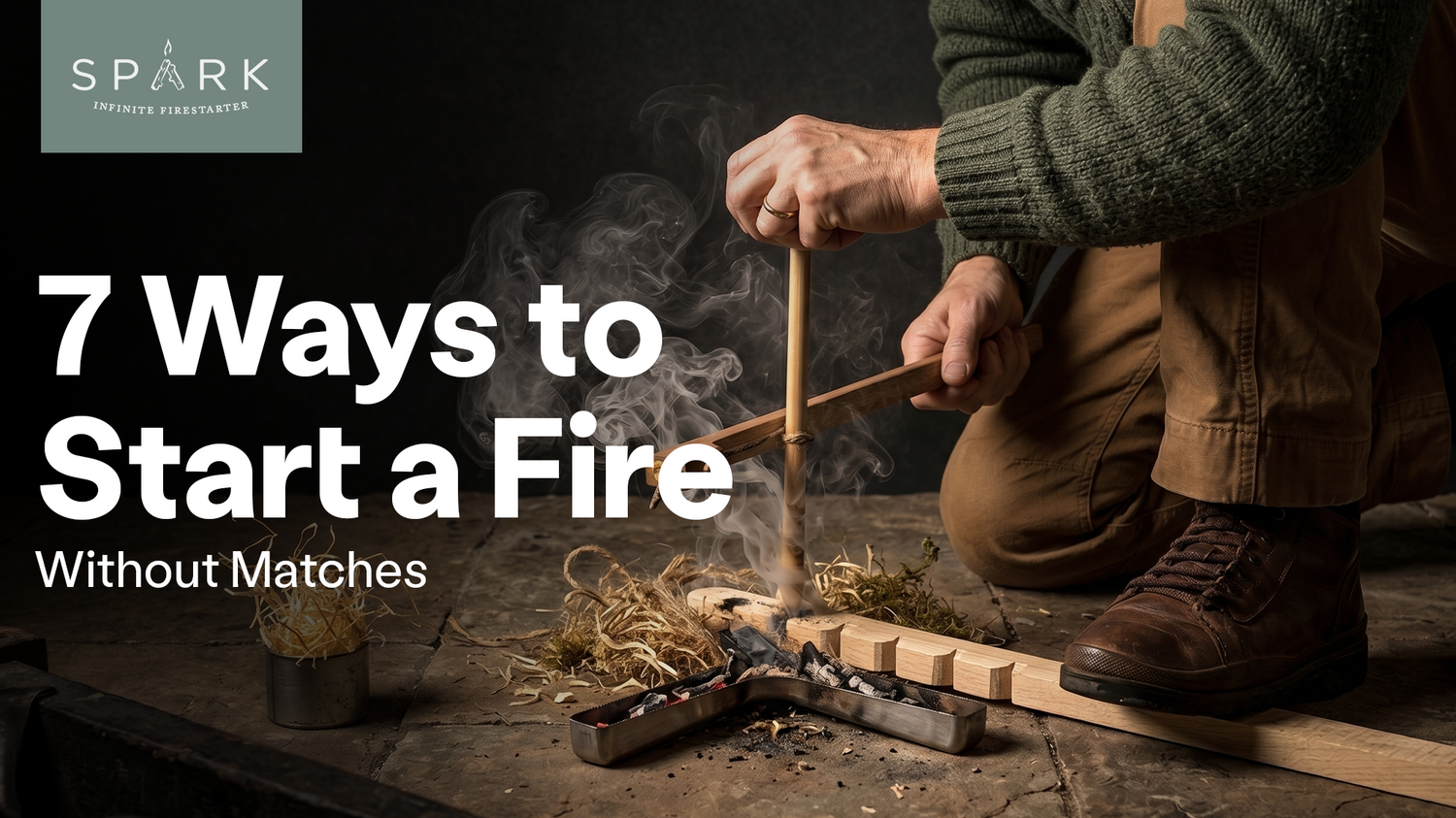
Person using primitive fire-starting method with hand drill beside Spark firestarter for fast fire ignition without matches.

7 Ways to Start a Fire Without Matches

Summary Start fires without matches using friction, sparks, solar heat, or electrical methods. Build a dry tinder nest first so the ember can grow into a steady flame. Airflow is...

Fire Starters vs Fatwood: Which Burns Longer?

Key Takeaways Fatwood burns longer and produces stronger heat than many commercial fire starters. Commercial fire starters light faster and require less prep. Fatwood performs better in wet weather, strong...

Blog post banner image reading

Fire Pit Etiquette: What Guests Should Never Do

Takeaways  Keep fire pits away from flammable objects and avoid changing the setup without asking. Never burn gasoline, trash, treated wood, or random household items. Watch wind conditions, keep a...

How Long Should a Fire Starter Burn to Be Reliable?

Summary Reliable fire starters usually burn for at least 5–10 minutes.  Wet wood, wind, and cold often require longer burn times, about 10–20 minutes. Short burn times often fail because...

Beginner camping checklist guide with campfire planning tips, essential camping gear, and free printable checklist by Spark Firestarter

How to Plan Your First Campfire Trip: A Complete Beginner’s Guide (With Free Printable Checklist

Shortcut to Pro Camping Pick an easy campsite with water, restrooms, and fire rings Focus on core gear: shelter, sleep setup, fire tools, and dishes for cooking Prep meals at...

Infographic by Spark titled

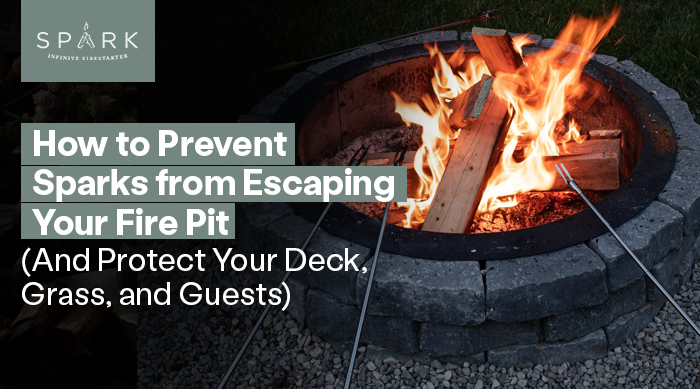
How to Prevent Sparks from Escaping Your Fire Pit (And Protect Your Deck, Grass, and Guests)

Key Takeaways: Position your fire pit at least 10 feet away from structures, low branches, and furniture. Always use a non-flammable base like stone or gravel—never grass or wood. Use a heavy steel...

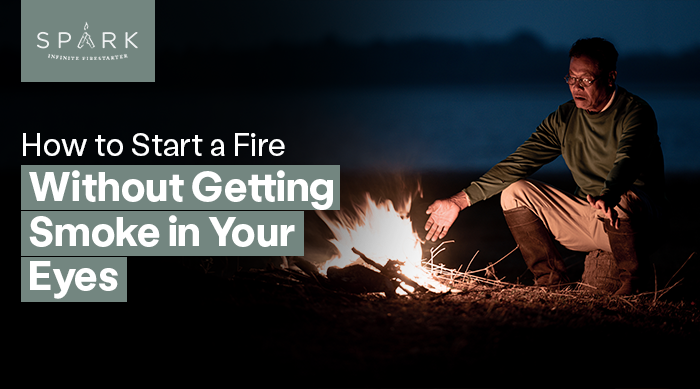
Person lighting a campfire outdoors showing how to start a fire without getting smoke in your eyes

How to Start a Fire Without Getting Smoke in Your Eyes

Everyone loves a campfire, but no one enjoys smoke in their face. The fix is simple: build a hot, clean fire that burns the fuel completely. Let’s take a look at...

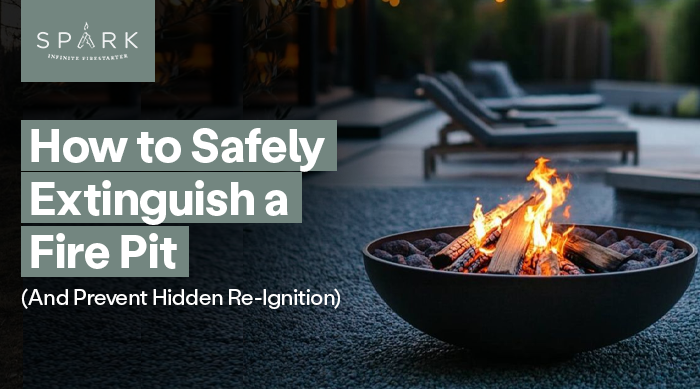
Outdoor fire pit with burning logs showing how to safely extinguish a fire pit

How to Safely Extinguish a Fire Pit (And Prevent Hidden Re-Ignition)

A fire pit is not done when the flames go out. Hot embers can sit under ash and stay active for hours. If you walk away too soon, they can...

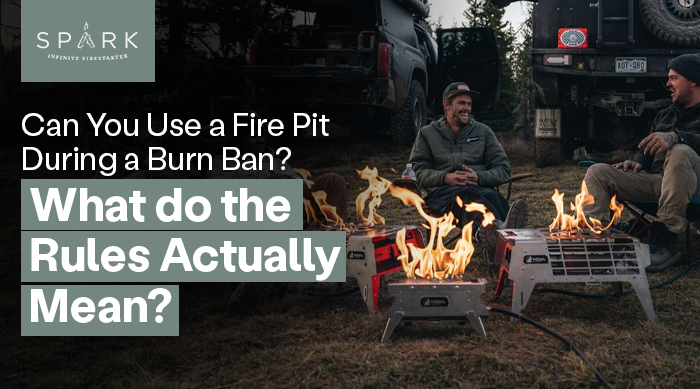
two men sitting outdoors beside vehicles, gathered around several portable fire pits with visible flames. Overlaid text reads: “Can You Use a Fire Pit During a Burn Ban? What do the Rules Actually Mean?”

Can You Use a Fire Pit During a Burn Ban? What Do the Rules Actually Mean?

A burn ban pops up on the news, and suddenly, your backyard plans feel uncertain. Can you still light your fire pit, or should the marshmallows stay in the pantry?...

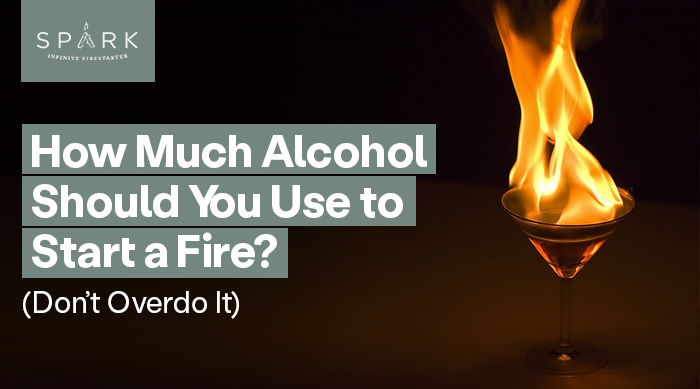
Martini glass on fire with SPARK brand text: How Much Alcohol Should You Use to Start a Fire? (Don’t Overdo It)

How Much Rubbing Alcohol Should You Use to Start a Fire?

Gasoline, acetone, and rubbing alcohol are highly flammable liquids. They release vapors that can ignite and cause sudden flare-ups. Always use a tool engineered to handle liquid fuel, like the...

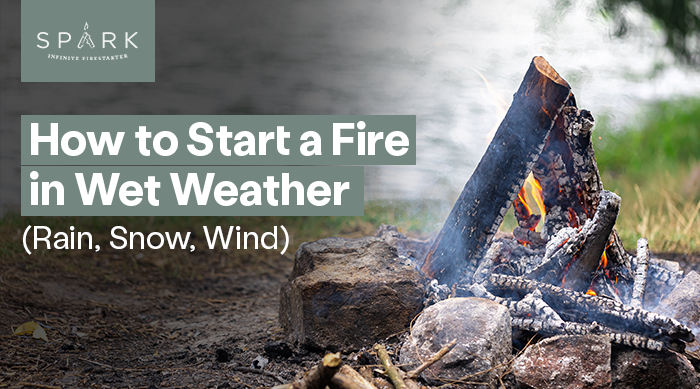
SPARK wet weather guide: how to start a fire in rain, snow, and wind, tested survival methods.

How to Start a Fire in Wet Weather (Rain, Snow, Wind)

Rain, snow, and wind change the rules. If you want a flame that stays lit, you need a smart plan. First, pack the right ignition tools and choose a spot...

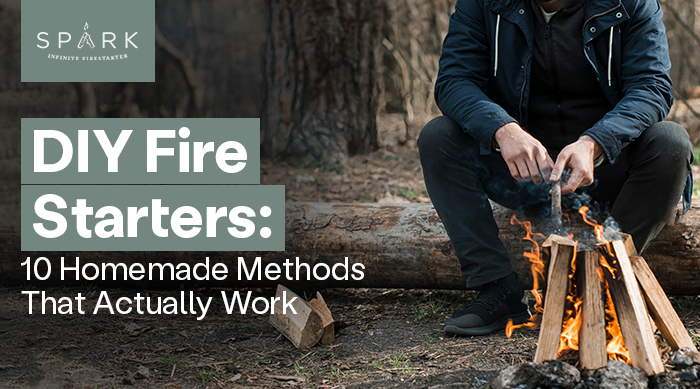
SPARK INFINITE DIY header: 10 homemade fire starters that actually work, tested methods for outdoor survival.

DIY Fire Starters: 10 Homemade Methods That Actually Work

Struggling to light damp logs or a stubborn fire pit? You don’t need expensive gear. With the right DIY fire starter, everyday household items can deliver a fast, reliable flame....

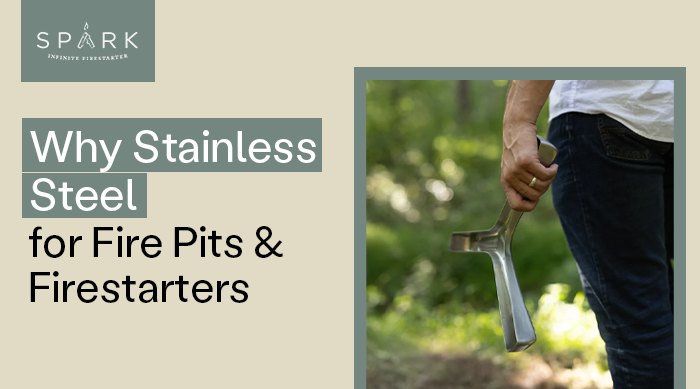
Built to last, built to spark. Header for a SPARK INFINITE FIRESTARTER article on the advantages of stainless steel for fire pits and firestarters that withstand the elements.

Why Stainless Steel for Fire Pits & Firestarters

What controls the strength of your fire before you even strike a spark? The material. Choosing the right material matters because it determines durability, reliable ignition, and overall convenience of building...

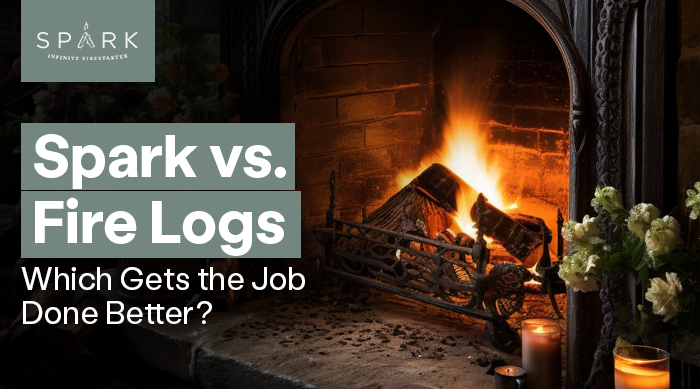
A cozy fireplace scene with text:

Spark vs. Fire Logs: Which Gets the Job Done Better?

For starting a real wood fire fast, Spark Firestarter is the best bet. But you want a one-time, “light it and let it burn” option, fire logs do the job....